

EXCLUSIVE 2026 INDUSTRY REPORT
Google Ads in 2026: How AI Is Changing PPC Advertising
In the early days of PPC advertising, running a campaign often meant manually selecting keywords and setting bids manually. Today, Google’s advertising ecosystem relies heavily on machine learning and automation.
What Is Google Ads?
Google Ads is the world’s most powerful online advertising platform, enabling businesses to place highly targeted ads in front of users at the exact moment they search for relevant products or services.
Why It's Becoming More AI-Driven
The platform has evolved from manual keyword bidding to an AI-first ecosystem. Machine learning models run millions of simulations per second to optimize bids, craft dynamic responsive headlines, and auto-generate placements via Performance Max campaigns.
Where Your Campaigns Live
- Google Search Network - Catch active queries instantly
- YouTube - Immersive, rich video campaigns
- Google Maps - Drive local and foot traffic physically
- Google Discover & Gmail - Connect directly within daily feeds

Traditional PPC vs. AI-Powered PPC
How does manual campaign management stack up against modern, predictive machine learning? Compare the workflows below to see why AI is dominating the digital advertising landscape.
Traditional PPC: The Manual Grind
Manual campaign workflows are slow, reactive, and highly prone to human oversight. Marketers waste critical hours doing routine operations instead of analyzing high-level strategy.
- Manual bid adjustments based on historical data patterns
- Reactive keyword matching and tedious negative keyword lists
- Time-consuming, slow-to-start manual A/B creative testing
- Static, delayed performance reports generated weekly
Average hours spent weekly on basic tasks per campaign
0
hrs
Average budget wasted due to delayed optimizations
0
%
AI-Powered PPC: The Automated Edge
Modern machine learning continuously analyzes search intent, predictive signals, and competitor behaviors to optimize your budget 24/7 without delays.
- Predictive smart bidding targeting exact conversion value
- Dynamic intent-based keyword expansions updated hourly
- Continuous algorithmic testing of headlines and descriptions
- Live, actionable analytics with performance forecasts
Automated and continuous background optimizations
0
/7
Average conversion value lift versus manual tracking
+
0
%
SEO & SEARCH ADVERTISING PLAYBOOK
The Blueprint for High-Performance Search Marketing
1. Start With the Business Goal
Before launching campaigns or writing extensive copy, align search strategy with overall corporate goals. Focus on driving qualified business results and bottom-line revenue over superficial traffic metrics.
2. Conversion Tracking Is the Foundation
Precise tracking architecture is non-negotiable. Connect every user touchpoint directly to key actions, allowing performance software and marketing analysts to allocate budget effectively and target high-intent behaviors.
3. First-Party Data Matters
With search channels and browser security moving away from cookies, acquiring first-party inputs ensures strategic safety. Own consumer relationships with customized resources, gated materials, and engaging contact formats.
4. Don't Treat Keywords as the Entire Strategy
Modern content models require mapping to semantic categories, topical authority, and specific human intent. Craft deeply structured guides that capture true context, leaving behind outdated systems built on simple keyword matching.
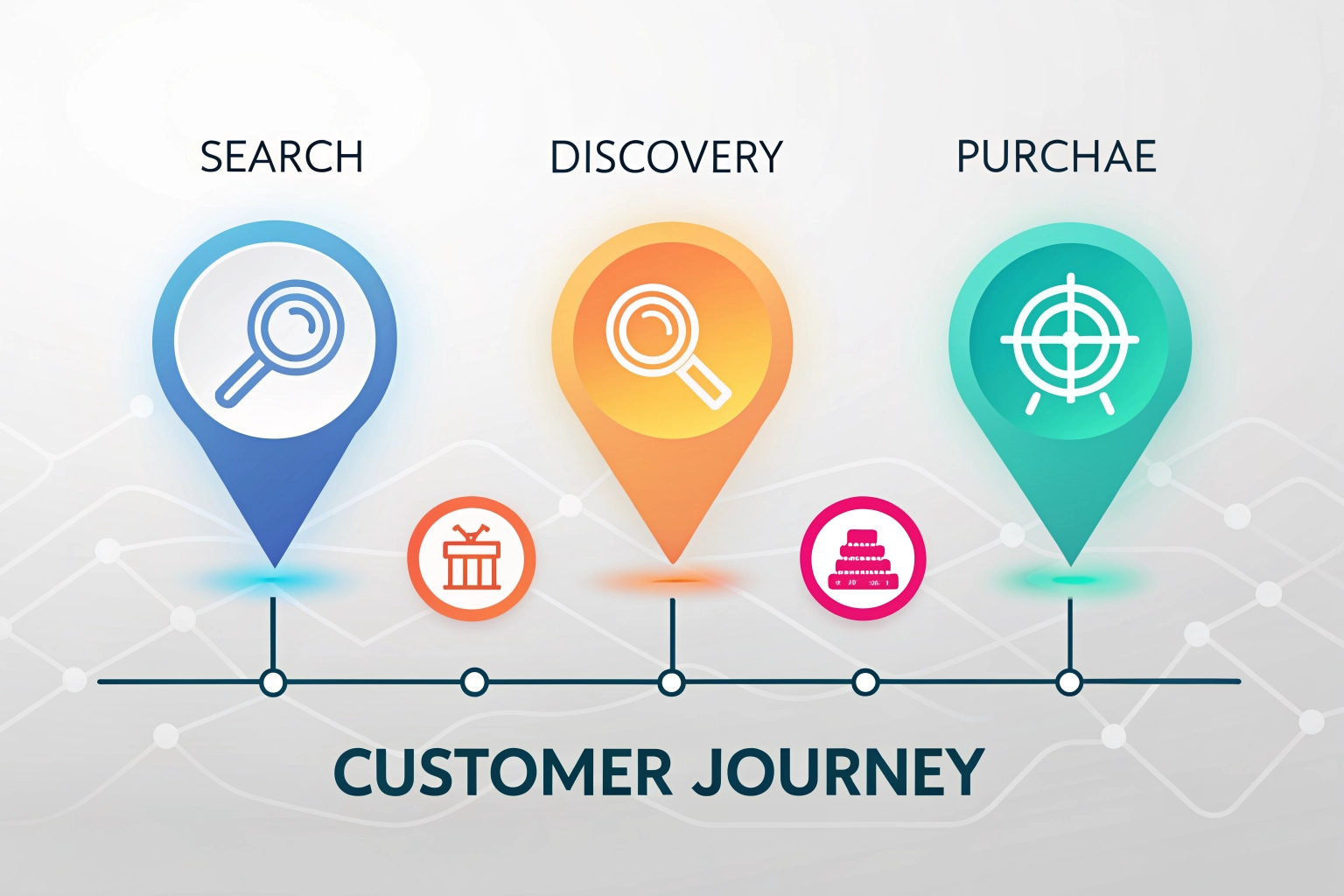
CAMPAIGN OPTIMIZATION PLAYBOOK
Critical Growth Strategies & Creative Testing
05. Your Landing Page Can Make or Break the Campaign
Even the most sophisticated targeting and brilliant ad creatives will fail if the post-click experience is friction-filled. Your landing page is the ultimate conversion engine; it must load in under two seconds, establish instant trust, and offer an ultra-smooth path to checkout or lead submission.
Optimize for mobile-first user journeys, remove unnecessary form fields, and ensure the value proposition matches the ad’s hook precisely. A mismatched experience results in high bounce rates and wasted ad spend.
06. Creative Is Becoming More Important
With automated bidding algorithms and broad targeting options doing the heavy lifting on major ad networks, creative has officially become the primary lever for performance. It acts as your targeting mechanism, qualifying prospects based on who stops to watch or read.
Standard stock imagery no longer moves the needle. You need highly styled, authentic assets that speak directly to user intent and match their aesthetic expectations. Invest in custom photography and narrative video that conveys value in the first 3 seconds.
07. Use Multiple Creative Angles
Diversification is key to combating creative fatigue and capturing different buyer personas. Don’t rely on a single visual hook or narrative style. Instead, deploy a matrix of creative angles: problem-solution videos, direct feature comparisons, emotional user stories, and high-impact typographic static ads.
Continuous testing across these angles uncovers what truly resonates with your sub-audiences, giving the ad network’s algorithm more opportunities to optimize successfully.
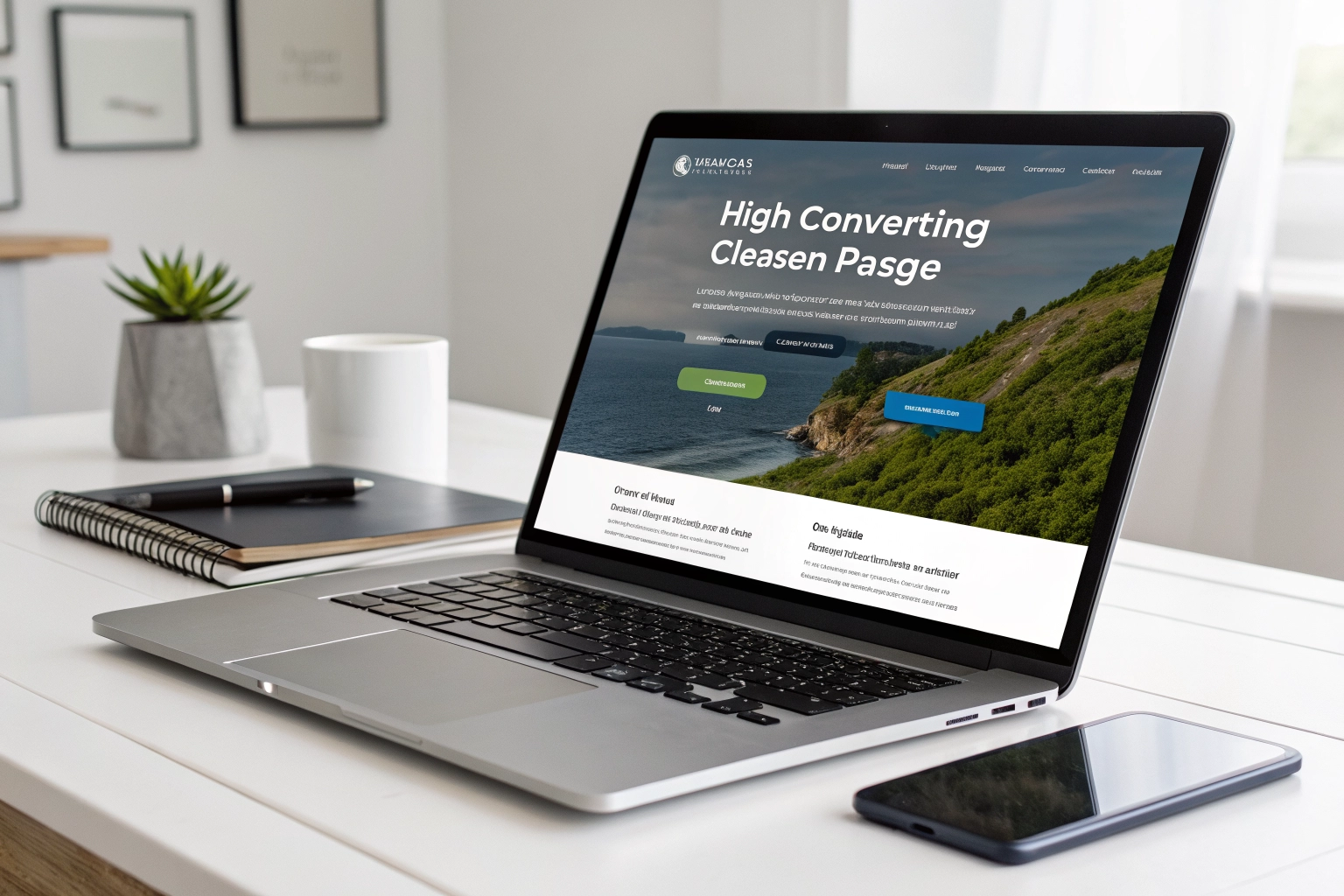
Optimize Your Creative Strategy
Unlock exponential return on ad spend by aligning high-impact creatives with hyper-optimized landing experiences.
Strategic PPC Framework: Part 3
Deepen your optimization strategy with advanced rules on algorithmic guardrails, revenue alignment, click quality, and continuous search relevance.
08. Automation Doesn't Mean Set It and Forget It
Smart Bidding and automated targeting algorithms are incredibly efficient at analyzing real-time data signals, but they function entirely within the parameters you configure. Without regular human guidance, campaign automation can easily drift. Seasonality changes, competitive actions, and inventory fluctuations all require timely budget adjustments and manual strategic overrides.
- Regularly audit automation boundaries and target CPA constraints
- Align promotional timelines manually to prevent sudden algorithmic budget spike
- Feed cleaner first-party conversion data to continuously train the model
09. Understand the Difference Between CPA and ROAS
A successful strategy relies on choosing the correct metric for optimization. Cost Per Acquisition (CPA) is ideal when every lead has roughly the same value. However, if you are running an e-commerce catalog or have complex sales tiers, Return on Ad Spend (ROAS) is essential. ROAS guides your bidding strategy directly toward order value and profitability, ensuring you do not burn budgets acquiring low-value custom leads.
- CPA: Optimal for lead-gen and singular-value software signups
- ROAS: Essential for transactional dynamics with varying order baskets
10. Don't Chase Cheap Clicks
Traffic volume is a vanity metric that can easily lead to a depleted budget. Cheap clicks often denote extremely low-intent traffic, accidental click-throughs, or low-quality display network domains. Focus instead on acquiring high-intent traffic, even if it carries a higher Cost-Per-Click (CPC). The ultimate goal is maximizing absolute pipeline efficiency, not padding standard analytics graphs with vanity interactions.
11. Search Terms Still Matter
Even in an era dominated by Performance Max and expanded semantic matching, checking your search terms remains a critical maintenance task. Algorithms frequently match broad keywords with highly irrelevant search queries. Consistently reviewing actual query reports and deploying negative keywords is the single most effective way to eliminate waste and optimize budget allocation.
- Identify negative keywords to prevent redundant or unrelated impressions
- Locate high-performing long-tail queries to spin out into dedicated ad groups
SEARCH MARKETING INTEGRATION
Maximizing Your Digital Search Footprint
Discover how unified channels, protected brand traffic, and calculated scaling tests yield compounding growth. Let’s delve into points 12 through 14 of our strategic playbook.
12. Google Ads and SEO Should Work Together
Paid and organic search are not competitors; they are structural allies. Running Google Ads alongside a strong SEO program lets you dominate overall search real estate. Share valuable keyword conversions from your PPC accounts directly with your content developers to target high-intent terms organically, while utilizing organic insights to scale back bidding on overly competitive, expensive search queries.
13. Don't Ignore Brand Searches
Neglecting branded keywords is a common and expensive mistake. Competitors actively bid on your brand name to divert high-intent buyers. Securing your branded ad space ensures that searchers find your official messaging first. Additionally, brand campaigns boast incredibly high Quality Scores, yielding incredibly low cost-per-clicks that protect and anchor your customer retention pipelines.
14. Test Before Increasing Your Budget
Scaling digital budgets blindly leads to immediate conversion decay and platform waste. Always execute restricted, clean geographic or match-type tests to guarantee that increased capital translates into profitable, incremental customer conversions. Confirm that landing page speeds, customer pathways, and sales response teams can support the volume before initiating budget increases.
Optimize Your Whole-Funnel Search Strategy
Speak with our performance marketing architects to see how unified organic search and strategic paid acquisition can transform your bottom line.
Common Google Ads Mistakes in 2026
With machine learning and AI automation taking full control of campaign dynamics, relying on outdated strategies will drain your budget fast. Stay ahead of the curve by avoiding these structural pitfalls.
Optimizing for Clicks, Not Customers
Chasing raw click-volume instead of high-intent downstream conversions feeds low-quality signals into Google’s Smart Bidding engine, tanking real ROI.
Broken Conversion Tracking
Failing to set up Consent Mode v2 or server-side GTM leaves gaps in your multi-device attribution path, producing inaccurate metrics.
Neglecting AI Asset Controls
Letting Google’s Performance Max run unchecked with generic, auto-generated creative templates results in generic positioning and low conversion rates.
No First-Party Data Feeds
Not actively feeding CRM lists or offline conversions back to Google means your bidding targets won’t recognize your ideal lifetime customers.
Ignoring Brand Exclusions
Letting broad match queries automatically run wild into your branded keywords inflates direct ROAS results artificially while wasting high-intent spend.
Neglecting Negative Match Lists
Not maintaining global, dynamic account-level lists leaves your budget vulnerable to irrelevant traffic generated by broad matching.
The Biggest Sin: Scaling Budgets Without Rigid Ad-Creative Testing
Scaling your spending limits while feeding outdated, low-CTR ad copy limits Google’s algorithmic ceiling. Continuous asset variations with structured, structured headlines are non-negotiable for long-term scalability. Ensure you treat creatives as your prime targeting levers in the current automated advertising landscape.
The Future of Google Ads
Google Ads is moving toward an environment where advertisers provide increasingly important inputs while AI handles more of the optimization process. The future of Google Ads isn’t about doing everything manually. It’s about knowing what should be automated—and what should never be left to automation alone.